

Demand for electric vehicles (EVs) across Europe has surged following a sharp rise in fuel prices linked to the Iran war, offering a significant boost to an auto industry that has struggled with slower-than-expected EV adoption, Reuters reported.
Data exclusively shared with Reuters showed that sales of both new and used EVs accelerated sharply after oil prices climbed above $100 a barrel in the wake of U.S. and Israeli airstrikes on Iran at the end of February. The conflict triggered major energy supply disruptions and intensified concerns over fuel costs across Europe.
Although sales of fully electric cars in Europe have already risen 30% in 2025, the pace of adoption had previously fallen short of industry expectations. Major automakers, including Volkswagen and Fiat-owner Stellantis, had invested heavily in EV production but later recorded multi-billion-dollar charges tied to asset writedowns after demand failed to grow as rapidly as anticipated.
Fuel Prices Drive Consumer Shift
Industry executives say the latest spike in oil prices has dramatically changed consumer calculations.
“This isn’t a blip, it’s an inflection point,” said Gurjeet Grewal, CEO of UK-based Octopus Electric Vehicles, which reported a 95% year-on-year increase in demand for new EVs and a 160% rise for used EVs in April.
Britain, a net energy importer, has been particularly vulnerable to higher inflation and rising food and fuel prices stemming from the conflict.
Across Europe, data provided to Reuters by research group New Automotive and industry body E-Mobility Europe showed registrations of new EVs rose 34% year-on-year in April. The figures cover 16 markets representing more than 80% of car sales across the European Union and the European Free Trade Association.
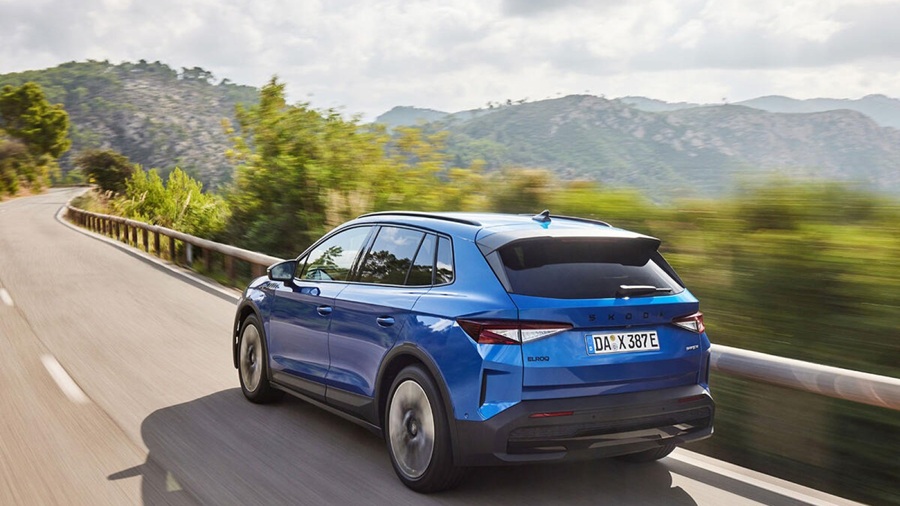
The strongest growth was recorded not only in established EV markets such as Denmark and the Netherlands, but also in countries like Italy, where electric vehicle adoption has historically lagged behind regional peers.
Carmakers Consider Expanding EV Production
Automakers are now reassessing production plans in response to the sharp rise in demand.
Volvo Cars Chief Commercial Officer Erik Severinson said the Swedish automaker had seen a noticeable increase in orders, particularly for its entry-level EX30 electric SUV.
“We are also seeing increased customer enquiries in our fully-electric cars even in southern European markets where EV penetration is comparatively lower,” Severinson said.
French automaker Renault said EVs accounted for 50% of its registrations in Britain during April, while inquiries related to EVs on its UK website climbed 48% after the Iran war began.
“Interest in Renault’s EV range has undergone a seismic shift,” said Renault UK Managing Director Adam Wood.
A Renault source, speaking on condition of anonymity, said the company was working to increase production capacity to meet demand.
Markus Haupt, CEO of Volkswagen-owned Seat and Cupra, said his sales teams in Germany reported EVs represented nearly 60% of customer orders in early May, significantly above the company’s 25% target allocation.
“We have a production budget for this year,” Haupt said. “But maybe we’ll need to increase the amount of EVs.”
Chinese Brands Gain Momentum
Online automotive marketplaces have also reported a surge in EV-related searches and inquiries, particularly for more affordable Chinese brands.
German marketplace Carwow said EV inquiries on its platform rose to 75% of all searches after the conflict began, compared with around 40% previously. Meanwhile, interest in gasoline-powered vehicles dropped to 16% from 33%.
“What is striking is the strong momentum of Chinese manufacturers,” said Carwow Germany Managing Director Philipp Sayler von Amende.
According to Carwow, purchase inquiries for Chinese EV giant BYD increased by 25,000% during the first quarter. Inquiries for Leapmotor rose 436%, while Xpeng recorded a 153% increase.
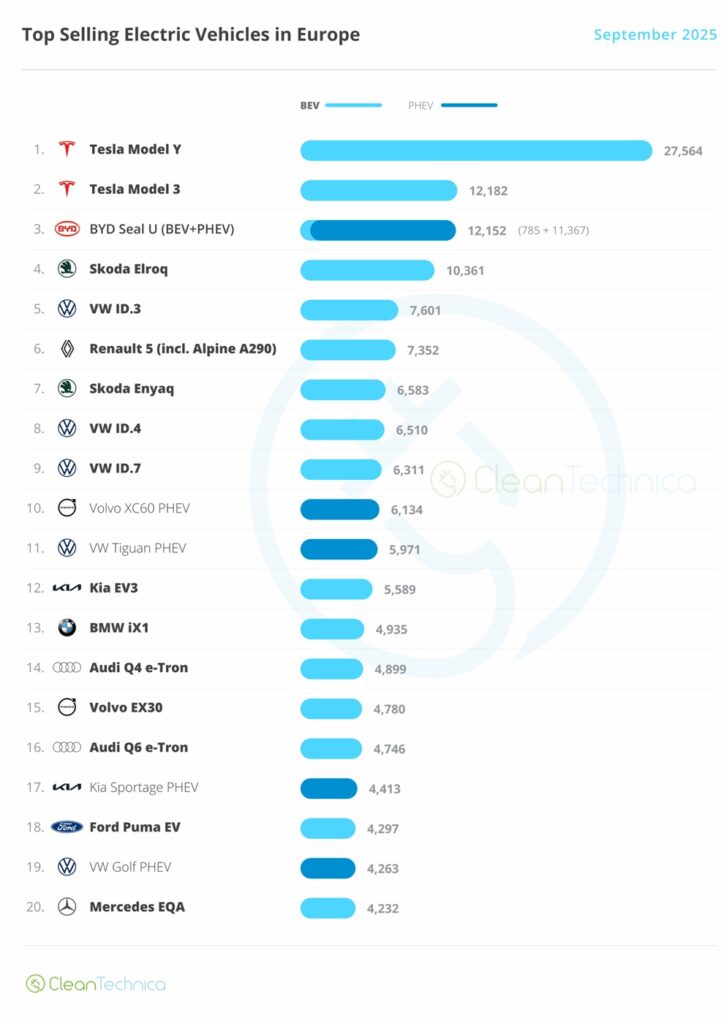
Rival marketplace OLX said customer inquiries for EVs on its French platform climbed 80% following the outbreak of the conflict.
Structural Shift in Consumer Behavior?
Previous periods of elevated fuel prices, including during the oil crises of the 1970s, prompted consumers to temporarily shift toward more fuel-efficient vehicles before eventually returning to conventional cars once fuel prices eased.
However, industry executives believe the current transition may prove more durable due to growing concerns about energy security.
“The Iran conflict has fundamentally reshaped how people think about energy security in their daily lives,” said OLX CEO Christian Gisy. “Europeans have shifted from ‘maybe someday’ to ‘right now’ on electric vehicles.”